kitchen foundation · Easy
Weeknight French Pan Sauce
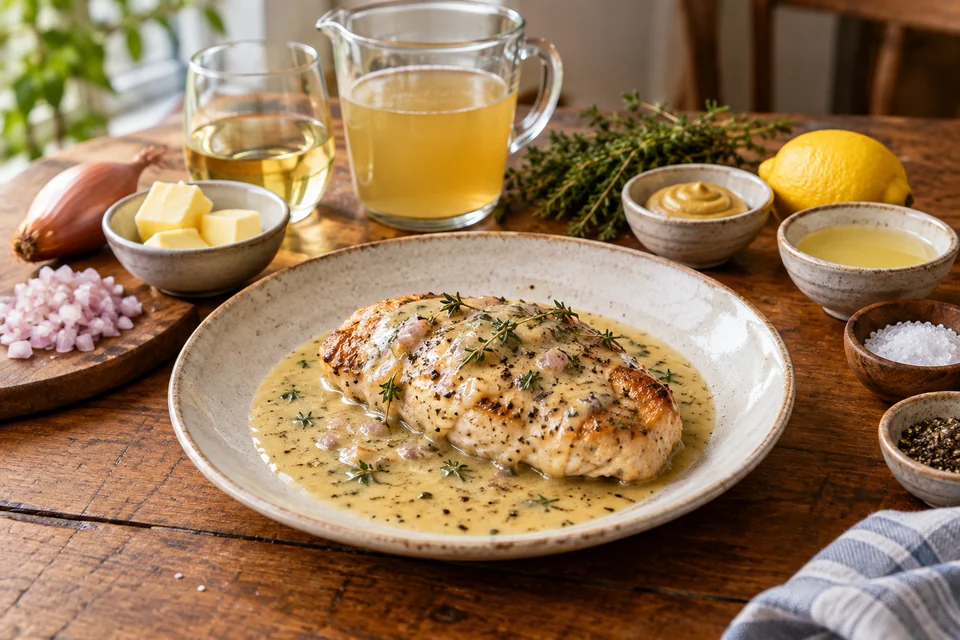
A proper pan sauce needs browned bits, enough liquid to dissolve them, and a short reduction. Keep the heat lively but not volcanic; scorched shallot is not a personality trait.
Major allergens listed: Milk
Based on the authored ingredients. Check packaged ingredient labels and cross-contact information if allergies matter.
Instructions
- Hold the cooked food. After Cook over fairly high heat until the outside develops a deeply browned crust. chicken, pork, or another main item in a skillet, transfer it to a plate to rest. Leave about 1 tablespoon of rendered fat and the browned bits in the pan; spoon off excess fat if needed. If using chicken, confirm the thickest part reached 165°F before resting.
- Soften the shallot. Set the skillet over medium heat. Add 1 tablespoon butter and the shallot. Cook, stirring, for 1 to 2 minutes, until softened and fragrant, not browned.
- Add liquid to a hot pan and scrape up the browned bits so their flavor goes into the sauce. the pan. Add the wine and immediately scrape the skillet with a wooden spoon, loosening every browned bit. Cook in liquid with gentle, occasional bubbles—not a full rolling boil. for 2 to 3 minutes, until the wine is reduced by about half.
- Reduce the sauce. Add the stock and thyme. Cook in liquid with gentle, occasional bubbles—not a full rolling boil. briskly for 4 to 6 minutes, stirring occasionally, until the liquid Simmer a liquid so some water evaporates, concentrating the flavor and often thickening it. to about 1 cup and lightly coats a spoon. The pan has done the hard work; do not abandon it now.
- Finish and season. Remove the skillet from the heat and discard the thyme. Whisk in the remaining 1 tablespoon butter, Dijon, lemon juice, pepper, and salt for 1 to 2 minutes. Taste and add salt if needed. Spoon over the rested food and serve at once.
Start with fond
Use a skillet with visible browned bits left after searing. If the bits are black rather than deep brown, wipe out the pan and begin with clean butter; bitterness does not reduce into charm.
Stock strength
Use low-sodium stock because reduction concentrates salt. A concentrated or heavily salted stock can make the finished sauce too salty before it has properly thickened.
Make-ahead
This sauce is best served immediately. If held briefly, keep it warm over very low heat and whisk before serving; do not boil after the final butter is added.
Red wine pan sauce
Replace the white wine with dry red wine, omit the lemon juice, and use beef stock. This works especially well after searing steak or mushrooms.
Tarragon cream sauce
After reducing the stock, stir in 1/4 cup heavy cream and 1 teaspoon chopped fresh tarragon. Simmer gently for 1 to 2 minutes, then finish with butter.
Keep cooking
You might also like
Kitchen basics
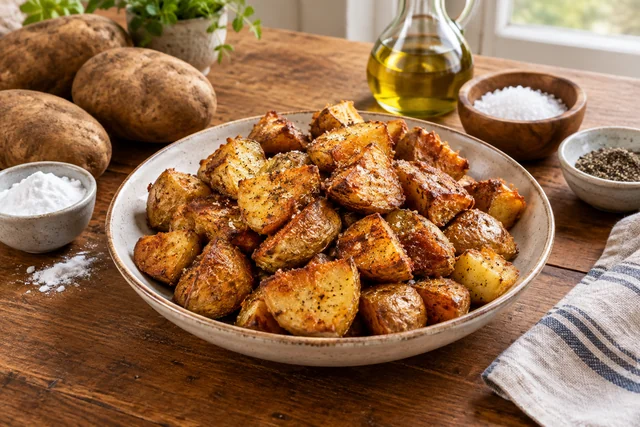
Actually Crispy Roasted Potatoes
Parboil, rough up, and roast potatoes for a properly craggy, crisp crust.
Kitchen basics
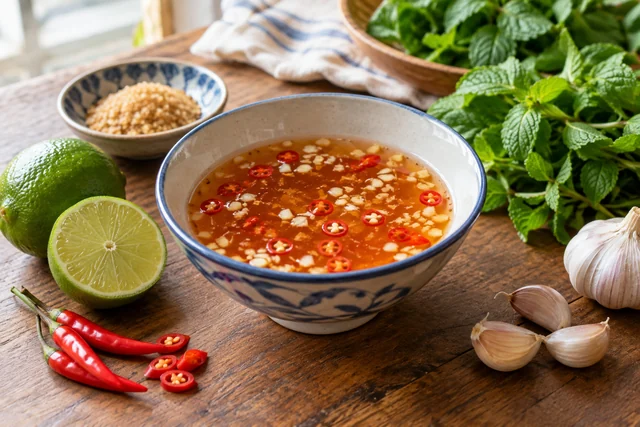
Balanced Nuoc Cham
A practical nuoc cham for dipping, drizzling, and waking up grilled food that has been behaving too quietly.
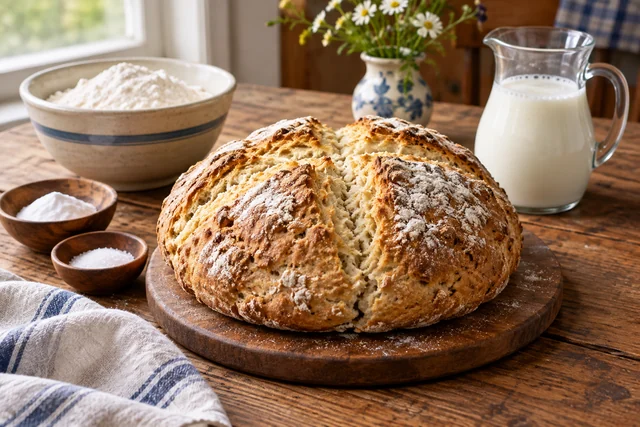
Kitchen basics
Irish Soda Bread
A no-yeast buttermilk loaf with a crisp crust and tender crumb, ready in under an hour.
Cooked it?
Ratings & reviews
Loading ratings…
Loading reviews…